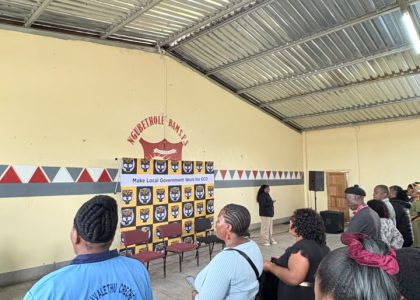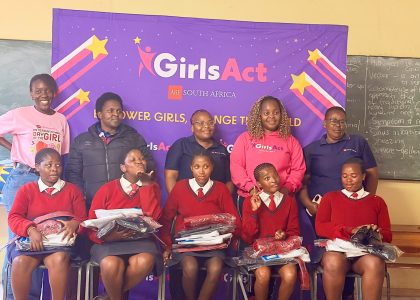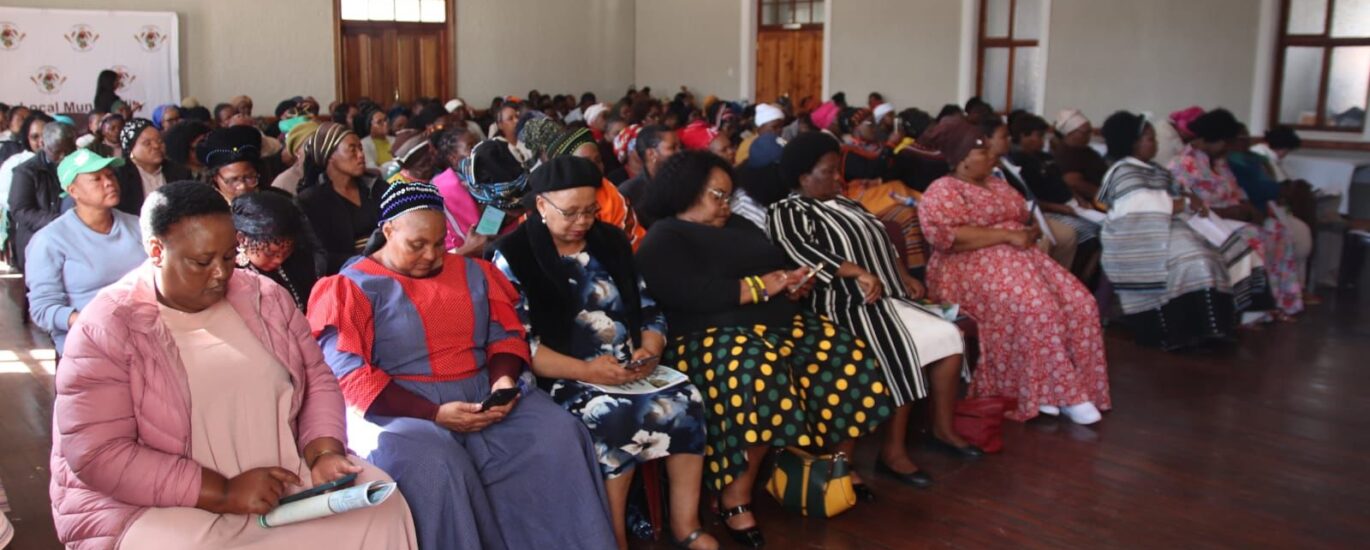
As the Women’s Month commemoration continues, the Eastern Cape Provincial Legislature convened a build-up programme today at the Dutywa Town Hall under the Mbhashe Local Municipality.
The session was held to present the plans and preparations for the upcoming Women’s Parliament, scheduled to take place on 28 August 2026 in Bhisho.
Women from diverse groups attended the engagement, including women with disabilities, widows, young and older women, as well as members of Imbumba Yamakhosikazi Akomkhulu. All local municipalities within the Amathole District Municipality were also represented, strengthening participation and ensuring that women’s voices formed part of the engagement.
The theme “From the Dompass to Power!” guided this year’s Women’s Parliament. “From the Dompass to Power! Marching on to Sustainable Women’s Emancipation”, this year’s Women’s Parliament will commemorate the historic 1954 Women’s Charter and the 1956 Women’s March. Furthermore, it will provide an opportunity to reflect on the progress made and the work that remains to advance women’s rights and ensure their meaningful participation in society.
“We are here to commemorate 70 years of the Women’s March. These programmes are important because they give us an opportunity to reflect on the history of the struggle of women and the role they have played in building the society we live in today. They also remind us of the strength and contribution of women in shaping our communities and the country.
We host these programmes to encourage every woman to become self-reliant, including women who run SMMEs, hawkers and those involved in other forms of livelihood. Women should seize opportunities, grow their businesses, and engage in issues that affect them. These efforts help women become more independent and contribute to their communities.
Some of the major challenges highlighted during the engagement included unemployment and economic exclusion, poverty and household vulnerability, gender-based violence and femicide (GBVF), limited access to economic resources and unequal care responsibilities.
The engagement allowed participants to raise concerns that will contribute to the upcoming Women’s Parliament, emphasising the importance of creating opportunities for women to grow, participate and play an active role in their communities.